Anti-Inflammatory Foods: The Ultimate List
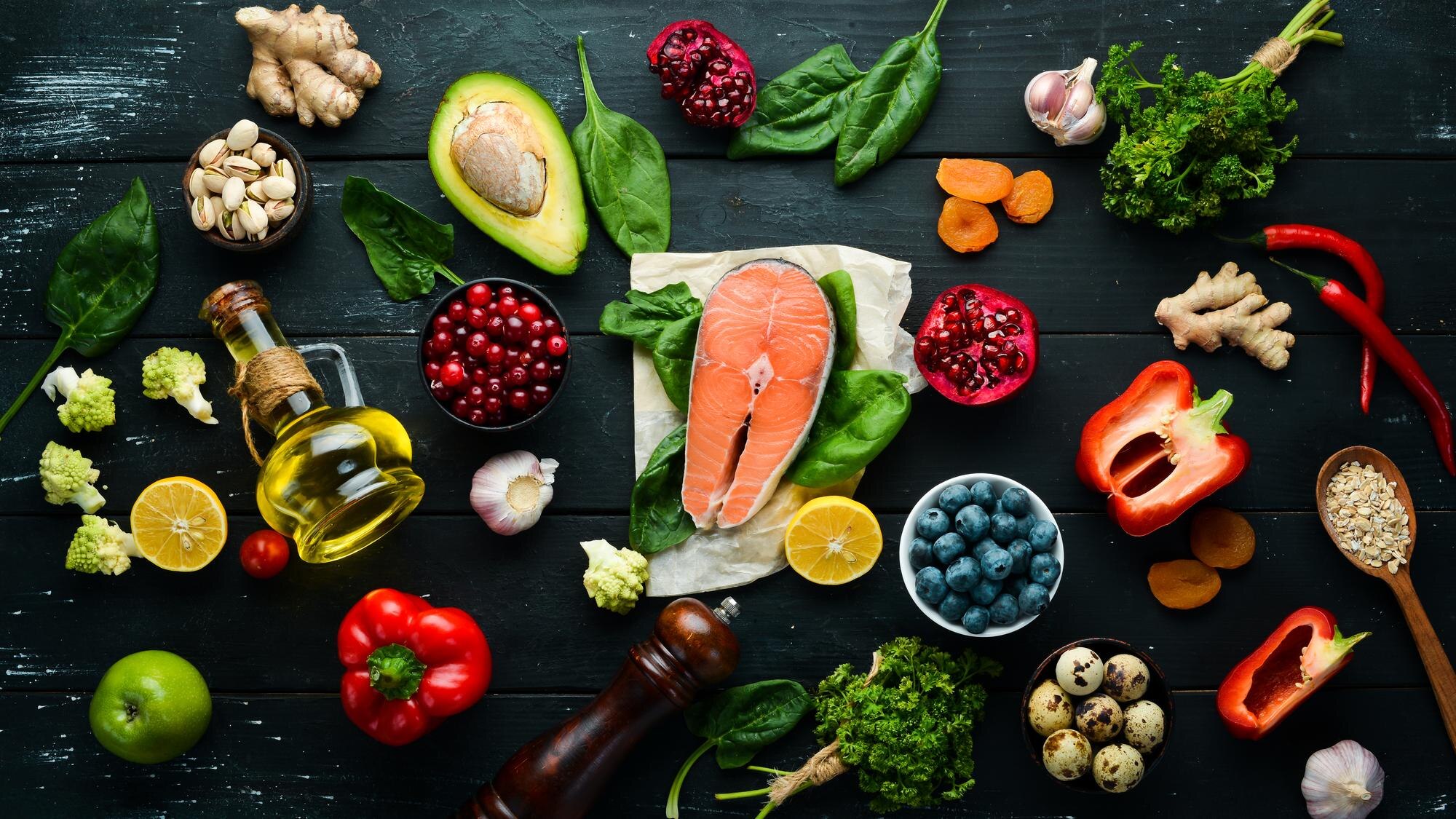
Certain foods — particularly oily fish, colourful vegetables and berries, extra-virgin olive oil, wholegrains, and nuts — are associated with lower levels of inflammatory markers such as hs-CRP and IL-6 in research. No individual food switches off inflammation; it is the overall dietary pattern, close to a Mediterranean-style diet, that the strongest evidence supports.
Key takeaways
- Chronic low-grade inflammation is associated with an increased risk of cardiovascular disease and type 2 diabetes; diet is one of several modifiable lifestyle factors.
- The Mediterranean dietary pattern has the most consistent research base among all dietary approaches assessed for inflammatory markers.
- Oily fish (salmon, mackerel, sardines) provide long-chain omega-3s linked with anti-inflammatory signalling — the NHS recommends at least one portion weekly.
- Polyphenol-rich plants — berries, leafy greens, extra-virgin olive oil — support the body’s ability to keep inflammation in a healthy range alongside a varied diet.
- Ultra-processed foods, processed meats, refined carbohydrates, and excess dietary salt are associated with higher inflammatory biomarkers and are worth limiting.
- Evidence certainty for individual foods remains low to very low; whole dietary patterns show the clearest benefit. Personalised guidance from a qualified professional is always worthwhile.
What exactly are anti-inflammatory foods — and does the science hold up?
Anti-inflammatory foods are those associated with lower levels of inflammatory biomarkers — measurable proteins such as high-sensitivity C-reactive protein (hs-CRP) and interleukin-6 (IL-6) — when consumed as part of a consistent dietary pattern.
Inflammation itself is not the enemy. It is a vital immune response that helps the body respond to injury and infection. The concern is chronic, low-grade inflammation — a persistent, low-level activation of the immune system that contributes over time to increased risk of cardiovascular disease, type 2 diabetes, and other long-term conditions. Diet is one of several lifestyle factors — alongside physical activity, not smoking, and maintaining a healthy weight — that may help support the body’s inflammatory response.
A 2025 umbrella review of 30 systematic reviews covering 225 primary studies, published in Nutrition Reviews, found that the Mediterranean dietary pattern showed the most consistent beneficial associations with inflammatory markers among 15 dietary approaches assessed. Crucially, the same review — and a 2025 meta-analysis of 23 randomised controlled trials published in BMJ Nutrition, Prevention & Health — noted that overall evidence certainty remains low to very low for many individual foods and interventions. The honest framing, appropriate for anyone making dietary decisions, is that the pattern matters far more than any single food.
With that context in place, here is what the evidence currently points to.
Oily fish: the strongest individual food category
Oily fish provides long-chain omega-3 polyunsaturated fatty acids (EPA and DHA) that are associated with the production of anti-inflammatory eicosanoids and specialised pro-resolving mediators — molecules involved in resolving, rather than perpetuating, an inflammatory response.
The NHS recommends eating at least one portion (approximately 140g cooked) of oily fish per week as part of a healthy diet. Good sources include:
- Salmon (fresh, frozen, or tinned)
- Mackerel
- Sardines and pilchards
- Herring and kippers
- Trout
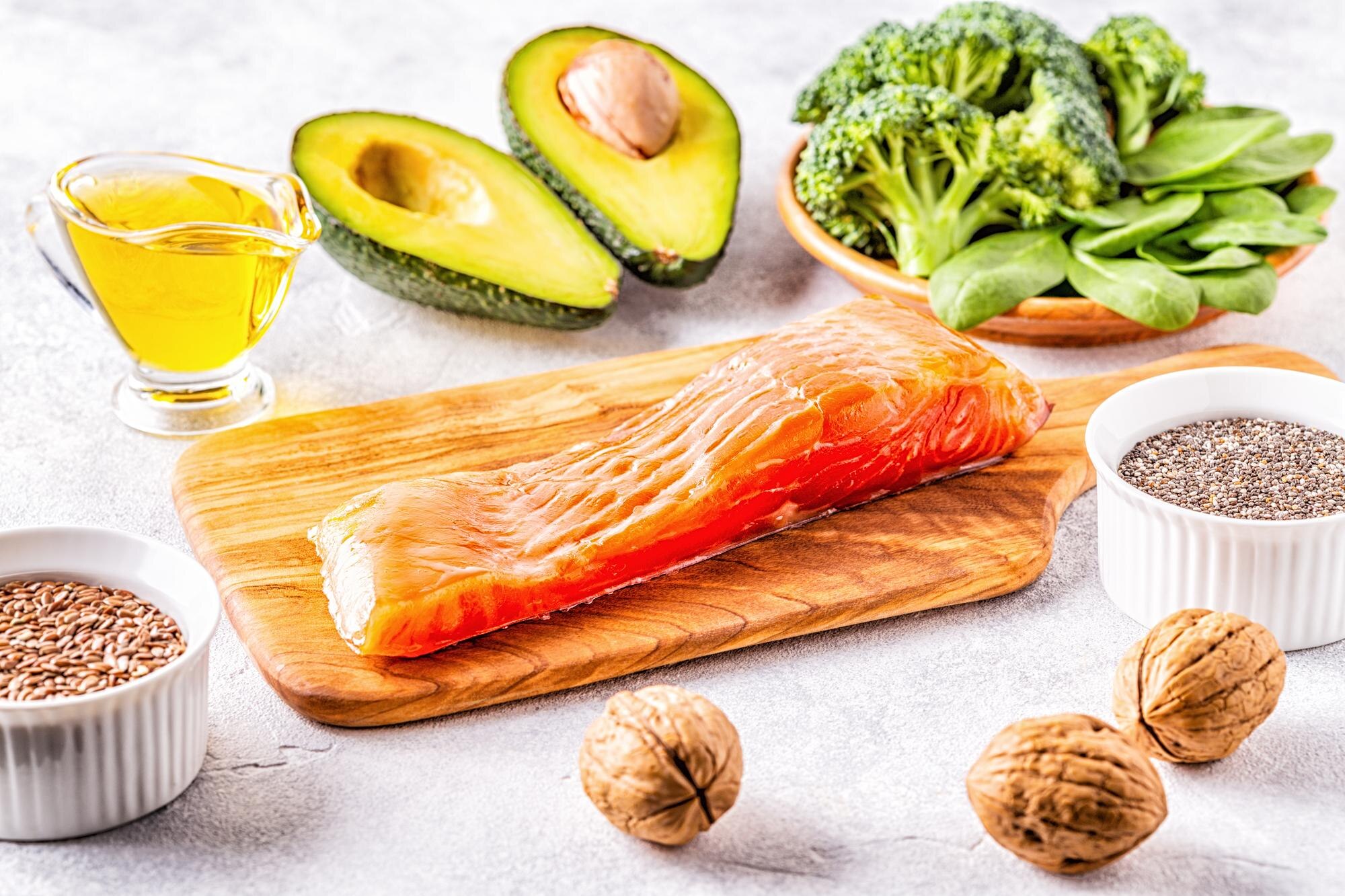
The British Dietetic Association’s food fact sheet on rheumatoid arthritis and diet recommends two 140g portions of oily fish weekly, and notes that fish oil capsules providing 500–1,000 mg of EPA and DHA combined may take up to three months before any effect on joint symptom comfort is noticed. Important: girls and women of childbearing age are advised to limit oily fish to no more than two portions per week due to environmental pollutant considerations (NHS guidance).
If you do not eat fish, plant-based sources of omega-3 alpha-linolenic acid (ALA) — such as walnuts, flaxseeds, and rapeseed oil — can contribute to omega-3 intake, although the body’s conversion of ALA to EPA and DHA is limited.
Colourful fruits and vegetables: polyphenols and antioxidants
Brightly coloured produce is rich in polyphenols — plant compounds associated with modulating inflammatory signalling pathways — and antioxidants that may help reduce oxidative stress, a driver of chronic inflammation.
Berries — blueberries, blackberries, raspberries, strawberries — contain anthocyanins, a class of flavonoid polyphenol. It is worth noting that a systematic review of Vaccinium berries (which includes blueberries and cranberries) found no statistically significant effects on inflammatory markers in healthy adults, which is a useful reminder that the research on isolated foods can be more nuanced than headlines suggest. Berries remain a nutritionally valuable part of a varied diet, rich in fibre, vitamin C, and polyphenols.
Leafy greens — spinach, kale, cavolo nero, rocket, chard — supply vitamin K1, associated in laboratory models with inhibition of NF-kB (a key inflammatory signalling pathway), as well as quercetin, a flavonoid linked with reduced pro-inflammatory cytokines in cell and animal studies. Human RCT evidence for isolated quercetin is more limited, so the appropriate framing is “may help support” rather than any definitive claim.
Other polyphenol-rich plants worth including regularly:
- Red onions and garlic
- Tomatoes (cooked tomatoes provide more bioavailable lycopene)
- Broccoli and other cruciferous vegetables
- Cherries and pomegranate
- Green tea (rich in catechins)
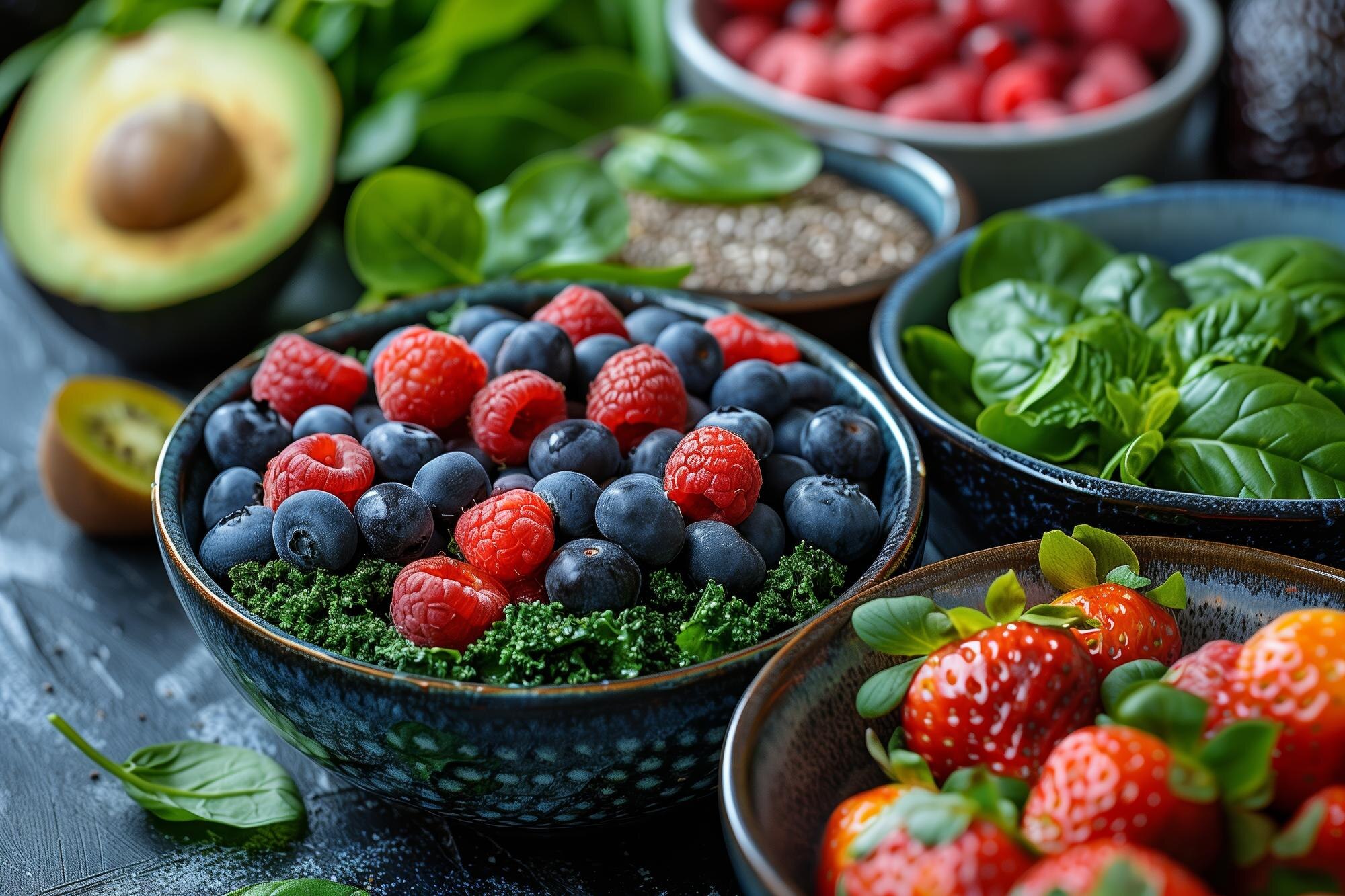
The NHS Eatwell Guide recommends a minimum of five portions of varied fruit and vegetables daily as a foundation for overall health. Variety across the colour spectrum supports a wider range of phytonutrients.
Extra-virgin olive oil: the cornerstone fat
Extra-virgin olive oil (EVOO) is a defining feature of the Mediterranean dietary pattern and contains several bioactive compounds of interest, including oleocanthal — a phenolic compound that inhibits COX-1 and COX-2 enzymes (the same enzymatic pathway targeted by non-steroidal anti-inflammatory drugs) in laboratory models. A 2025 systematic review and meta-analysis found that a Mediterranean diet supplemented with olive oil was associated with reductions in IL-6 and hs-CRP.
Use EVOO as a cooking fat and salad dressing in place of highly processed vegetable oils. The BDA’s osteoarthritis food fact sheet recommends replacing omega-6-rich oils such as sunflower and corn oil — which may be somewhat pro-inflammatory in large amounts relative to omega-3 — with rapeseed oil or olive oil.
EVOO is not a supplement; it is a cooking ingredient. The amounts studied in clinical contexts are far larger than the doses in a supplement capsule. Use it liberally in cooking and dressings as part of an overall food-first approach.
Wholegrains and fibre: supporting the gut-inflammation connection
The relationship between gut health and systemic inflammation is an active and growing area of nutritional research. Wholegrains — oats, wholemeal bread, brown rice, quinoa, rye, barley — provide fermentable dietary fibre that gut bacteria convert into short-chain fatty acids (SCFAs), particularly butyrate.
Butyrate is associated with maintaining intestinal barrier integrity (often called “gut lining health”) and may modulate immune cell function via NF-kB inhibition. The BDA notes that dietary fibre has “anti-inflammatory properties in the intestine.” A disrupted gut barrier — sometimes described colloquially as “leaky gut” — has been proposed as a pathway through which dietary patterns influence systemic inflammatory tone, though this remains an evolving area of research.
Practical wholefood fibre sources to prioritise:
- Porridge oats and oat-based foods
- Wholemeal or seeded bread
- Brown or wild rice
- Quinoa, buckwheat, and rye
- Legumes — lentils, chickpeas, kidney beans
The NHS Eatwell Guide recommends choosing wholegrain versions of starchy foods at most meals. Adults in the UK are advised to aim for 30g of dietary fibre per day, yet average intake is around 20g — so most people have room to meaningfully increase fibre-rich foods.
Nuts and seeds: small but nutrient-dense
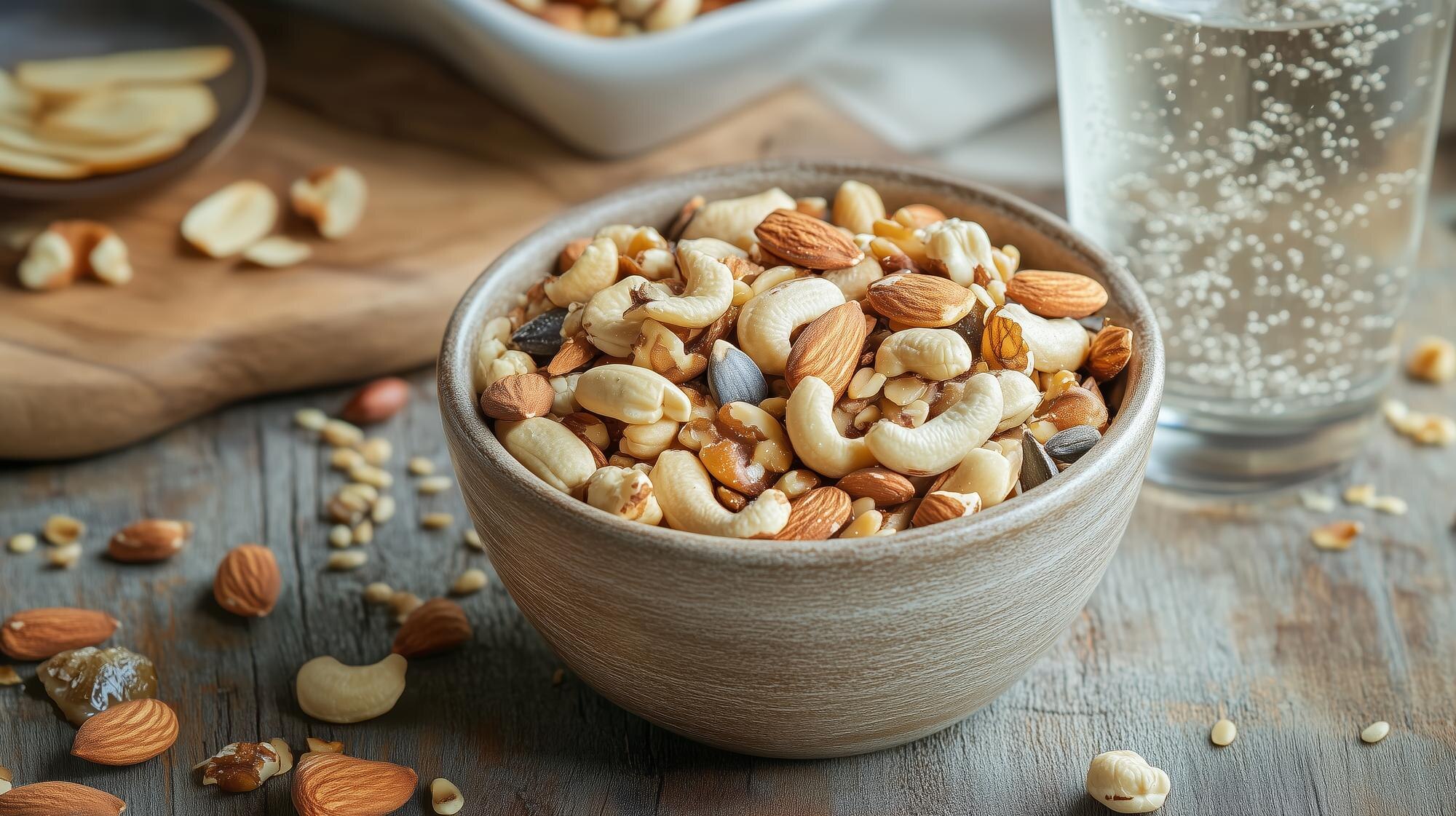
Tree nuts provide a useful combination of omega-3 ALA (particularly walnuts), dietary fibre, vitamin E, and polyphenols. A 2023 narrative review published in MDPI Nutrients found that almonds, pistachios, and walnuts showed the highest antioxidant and anti-inflammatory activity among common nuts, with some randomised controlled trials showing modest reductions in CRP and IL-6 — though results across trials were inconsistent.
Walnuts are the only commonly eaten nut with a meaningful plant-based omega-3 content. A small daily handful (approximately 30g) of mixed unsalted nuts is a practical, evidence-consistent habit. Seeds — flaxseeds, chia seeds, hemp seeds — also contribute omega-3 ALA and lignans, a type of polyphenol.
Turmeric and other culinary spices: promising, but keep it in perspective
Curcumin — the active polyphenol in turmeric — inhibits inflammatory transcription factors including NF-kB in laboratory models. Versus Arthritis, a UK patient and research charity, notes that over 20 clinical trials have examined curcumin for joint health, with a six-study review of more than 500 participants finding it among the more studied natural options for joint symptom support.
However, several important caveats apply:
- Curcumin has poor bioavailability from food alone. Clinical studies typically use bio-enhanced formulations (such as those combined with piperine or in phospholipid complexes) at doses far exceeding what cooking with turmeric delivers.
- Curcumin supplements may interact with anticoagulant medications and immunosuppressants. If you take any prescription medication, always speak with your GP before supplementing.
- Cooking with turmeric as part of a varied diet is low-risk and culturally valuable — it simply delivers far smaller amounts than those used in clinical trials.
Other culinary spices with research interest include ginger (gingerols, shogaols) and cinnamon (cinnamaldehyde), though the evidence base is similarly early-stage for food-level doses. The sensible approach is to use these spices freely in cooking as part of a varied diet, without expecting them to function as medicines.
Foods worth limiting: what the evidence says to reduce
The food-inflammation story is not only about what to add — it is also about what the evidence suggests is worth limiting. Supporting a healthy inflammatory response through diet is as much about reducing dietary patterns associated with higher inflammatory markers as it is about adding specific “superfoods.”
Based on UK NHS, BDA, and British Heart Foundation guidance, along with peer-reviewed evidence:
- Ultra-processed foods (UPFs): A UK Biobank analysis published in the American Journal of Clinical Nutrition (2024) linked higher UPF consumption with increased risk of rheumatoid arthritis. Emulsifiers, artificial additives, and excess dietary salt in UPFs can disrupt gut barrier integrity and activate immune pathways.
- Processed meats — bacon, sausages, salami, cured meats — are consistently associated with higher inflammatory biomarkers in large cohort studies (BHF).
- Refined carbohydrates and added sugars — white bread, pastries, sweetened drinks, confectionery — are linked with higher CRP via insulin resistance pathways and rapid glucose fluctuation.
- High saturated fat intake: Both the BDA and BHF recommend replacing saturated fats (from butter, fatty meat, full-fat processed foods) with unsaturated fats from olive oil, nuts, and oily fish.
- High omega-6 vegetable oils — sunflower, corn, safflower oils — when consumed in large amounts relative to omega-3 intake, may shift the body towards a more pro-inflammatory eicosanoid profile (BDA, osteoarthritis food fact sheet).
- Excess dietary salt: The BDA notes that more than 6g of salt per day “may promote inflammation due to changes in the immune system.” The UK average is above this level; reducing processed food intake is the most effective lever.
It is worth noting the BHF’s framing that “most research on individual foods uses concentrated extracts” — meaning the science on isolated compounds rarely translates cleanly to eating the whole food. The most evidence-consistent approach is to improve overall dietary quality rather than eliminating or maximising any single food.
How to build an anti-inflammatory plate in practice
Rather than maintaining a list of “allowed” and “forbidden” foods, a more sustainable and evidence-based approach is to shift the overall pattern of your diet towards what the research supports — broadly, a Mediterranean-style eating pattern.
A practical framework for most meals:
- Fill half your plate with varied, colourful vegetables — aiming for at least five portions of fruit and veg daily, across as many colours as possible.
- Include a serving of oily fish two to three times per week (within NHS guidance on oily fish limits).
- Use extra-virgin olive oil or rapeseed oil as your primary cooking fat and dressing.
- Choose wholegrain versions of starchy foods — oats, wholemeal bread, brown rice — at most meals.
- Include a small handful of mixed unsalted nuts or seeds daily.
- Reduce ultra-processed foods, processed meats, and refined sugar by gradually replacing them with whole food alternatives.
- Use herbs and spices — turmeric, ginger, garlic, rosemary — generously in cooking.
Alongside diet, the British Heart Foundation highlights that not smoking, maintaining a healthy weight (excess adipose tissue is metabolically active and associated with higher circulating inflammatory cytokines), staying physically active, and managing stress are all relevant to supporting a healthy inflammatory response. Dietary change is one important part of a broader lifestyle picture. For personalised heart-health support or in-depth guidance on the anti-inflammatory diet, working with a qualified practitioner can help you navigate what matters most for your individual circumstances.
References
- British Heart Foundation — Anti-inflammatory diet: what you need to know
- NHS — Fish and shellfish nutrition
- British Dietetic Association — Rheumatoid Arthritis and diet (Food Fact Sheet)
- Keshani et al. (2025) — Mediterranean Diet Reduces Inflammation in Adults: A Systematic Review and Meta-analysis of RCTs. Nutrition Reviews, PMID 41211687
- Reyneke, Lambert & Beck (2025) — Dietary Patterns Associated With Anti-inflammatory Effects: An Umbrella Review. Nutrition Reviews, DOI: 10.1093/nutrit/nuaf104
- Law et al. (2025) — Effect of anti-inflammatory diets on health-related quality of life in adults with chronic disease: a systematic review and meta-analysis. BMJ Nutrition, Prevention & Health, PMC12322563
This article is for general education and is not medical advice. Nutritional therapy supports general health and wellbeing; it is not a substitute for medical care, and we do not diagnose, treat, cure or prevent any disease. Always consult your GP about any medical concern.