Gut Health: A Complete Guide

Your gut microbiome — the trillions of bacteria, fungi and other microorganisms living in your digestive tract — plays a central role in digestion, immune function, metabolism and mood. Research suggests that diversity and balance among these microbes may be associated with broader wellbeing, and that what you eat, particularly the variety and quantity of plant foods and fibre, is one of the most significant influences on microbiome composition.
Key takeaways
- The gut microbiome contains trillions of microorganisms and influences far more than digestion, including immune responses and how we feel.
- Most UK adults eat roughly half the 30g of fibre recommended daily — increasing plant diversity is one practical way to close that gap.
- Eating 30 or more different plant types per week is associated with greater microbiome diversity, according to one large observational study.
- Fermented foods such as live yoghurt and kefir may help support the balance of bacteria in the gut, though the evidence varies by food type.
- The gut and brain communicate constantly via the gut-brain axis; research is exploring associations between microbiome composition and mood, though this is an emerging and complex field.
- Persistent or new digestive symptoms should always be discussed with your GP before seeking complementary support.
What is the gut microbiome?
Your gut microbiome is the vast community of microorganisms — primarily bacteria, but also viruses, fungi and other microbes — that live throughout your digestive tract, with the greatest concentration in the large intestine. The scale is remarkable: estimates suggest the microbiome contains approximately 150 times the total number of human genes, which is why scientists sometimes refer to it as the body’s “second genome.”
Every person’s microbiome is unique, shaped by genetics, mode of birth, early feeding, antibiotic exposure, diet, environment and lifestyle. This individuality is part of what makes microbiome research simultaneously fascinating and complex — there is currently no established “normal” or standard microbiome composition that can serve as a clinical baseline. The British Dietetic Association explicitly notes this point when discussing commercial microbiome tests.
What the microbiome does is becoming increasingly well understood. Key functions include:
- Breaking down complex carbohydrates and fibres that human enzymes cannot digest alone
- Producing certain vitamins, including vitamin K and some B vitamins
- Training and modulating the immune system — around 70% of immune tissue is found in and around the gut wall
- Producing short-chain fatty acids (SCFAs) such as butyrate, which nourish the cells lining the gut and help maintain the epithelial barrier
- Protecting against harmful pathogens by competing for resources and space
- Communicating with the brain via the gut-brain axis (more on this below)
What experiences might prompt someone to seek gut health support?
There are many reasons people look for information about gut health, and it’s important to be clear that the experiences below can have a wide range of causes — they are not indicators of any specific condition, and none of them should be used to self-diagnose a microbiome imbalance.
People commonly describe the following when seeking support from a nutritional therapist or their GP:
- Persistent bloating or excess gas
- Irregular bowel habits, including constipation or loose stools
- Abdominal discomfort or cramping
- Fatigue that seems disproportionate to lifestyle
- Noticing new sensitivities to certain foods
If you are experiencing persistent changes in bowel habits, blood in your stool, unexplained weight loss, or any symptoms that concern you, please speak with your GP as a first step. These experiences may have many causes, some of which require medical evaluation. Nutritional therapy is a complementary approach, not a substitute for medical assessment. If you’ve already seen your GP and are looking for additional support, you may find our pages on IBS support and digestive conditions we support helpful.
Why fibre matters so much for gut health
Dietary fibre is one of the most evidence-supported nutritional tools for supporting a healthy gut microbiome — and most of us are not eating enough of it.
The NHS recommends that adults aim for 30g of fibre per day, yet the average UK adult consumes only around 17–20g. That gap has real implications. According to Guts UK, research suggests that each additional 7g of fibre in the daily diet is associated with:
- An 8% lower risk of colon cancer
- A 9% lower risk of cardiovascular disease
- A 7% lower risk of stroke
- A 6% lower incidence of type 2 diabetes
These are association-level epidemiological findings, not proof of direct causation, but they align closely with NHS guidance, which describes a high-fibre diet as “associated with a lower risk of heart disease, stroke, type 2 diabetes and bowel cancer.”
The reason fibre is so beneficial for the gut specifically is what happens when it reaches the large intestine. Beneficial bacteria ferment soluble fibre, producing short-chain fatty acids — particularly butyrate — which nourish the colonocytes (cells lining the colon), support the integrity of the gut barrier, and have anti-inflammatory properties. Put simply, fibre feeds the bacteria that, in turn, support the gut.
Practical tips from the NHS for increasing fibre intake:
- Swap white bread, rice and pasta for wholegrain versions
- Leave the skins on vegetables and potatoes where possible
- Add pulses — lentils, beans, chickpeas — to soups, stews and salads
- Choose a high-fibre breakfast cereal or porridge
- Snack on nuts, seeds and fresh fruit rather than ultra-processed foods
- Increase fibre gradually and drink plenty of water to help your gut adapt and avoid bloating

How many different plants should I eat each week?
One of the most widely cited findings in gut health research in recent years is the “30 plants a week” concept — and understanding where it comes from helps put it in proper perspective.
In 2018, a large citizen science study called the American Gut Project (McDonald et al., published in mSystems, the journal of the American Society for Microbiology) found that people who ate 30 or more different types of plants per week had significantly more diverse gut microbiomes than those who ate fewer than 10. It is important to note this was an observational study — it identified an association, not a causal relationship — but it remains one of the most robustly-sized pieces of evidence connecting dietary plant diversity with microbiome diversity.
“Plants” in this context is defined broadly and includes:
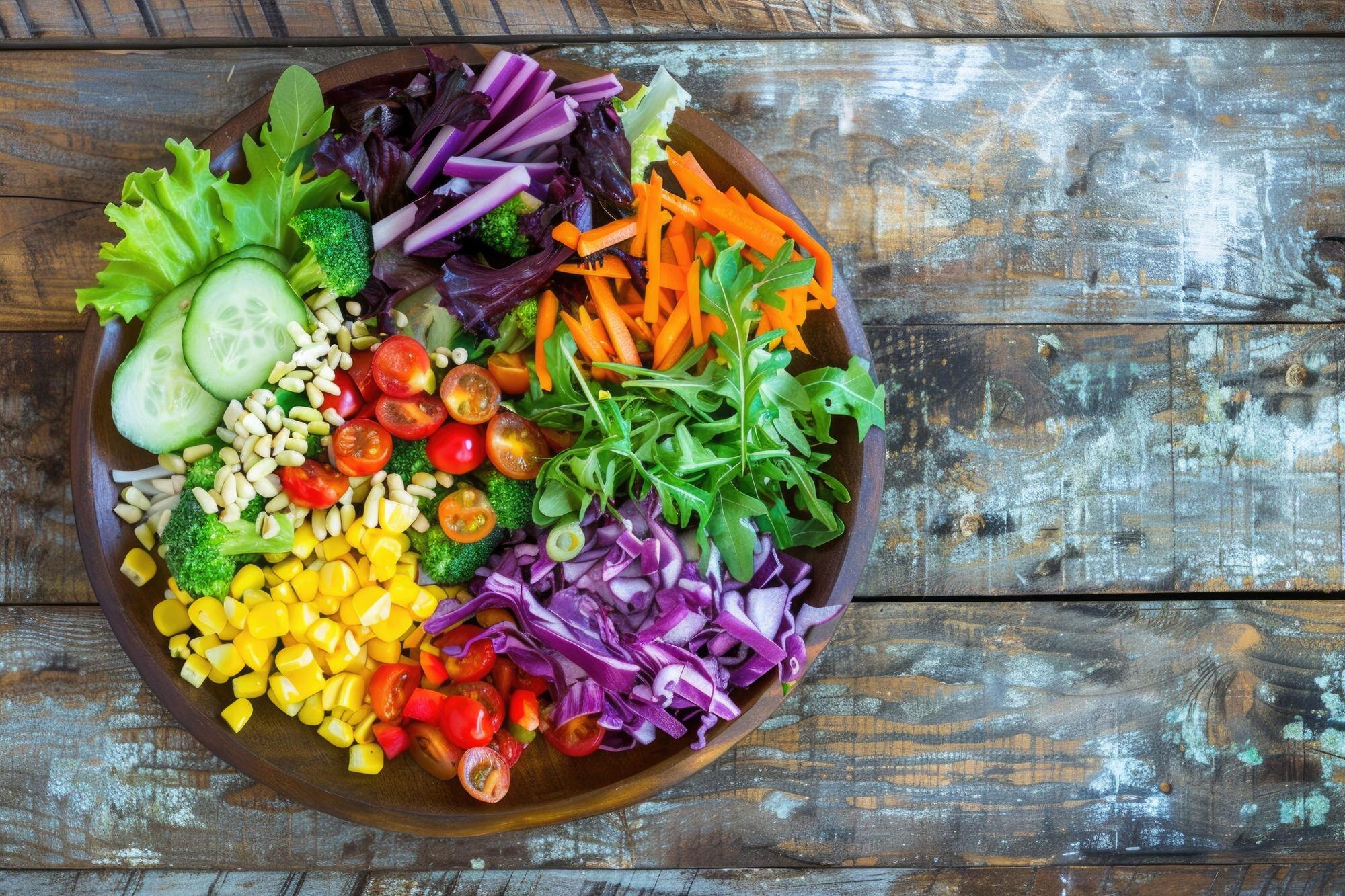
- Vegetables (every different variety counts separately)
- Fruits
- Wholegrains (oats, brown rice, quinoa, rye, etc.)
- Legumes (lentils, chickpeas, black beans, etc.)
- Nuts and seeds
- Herbs and spices — even small amounts count towards your weekly tally
Why does variety matter as well as quantity? Different plant fibres and polyphenols selectively nourish different bacterial species. A gut that is regularly exposed to a wide range of plant compounds is likely to harbour a broader range of bacterial species — and greater microbial diversity is generally considered a marker of a well-functioning gut microbiome. This is why simply eating more of the same few plants has different implications to actively broadening your range.
A helpful reframe: instead of aiming for 30 as a fixed target, think of it as an invitation to add variety. Try a new grain, rotate your vegetables across the week, and use herbs and spices generously.
What are fermented foods and do they support gut health?
Fermented foods have attracted growing interest for their potential to support the gut microbiome, and the BDA includes them in its evidence-informed dietary guidance, while noting that the scientific basis varies between different food types.
Fermented foods are foods that have been transformed by the action of beneficial microorganisms — bacteria, yeasts, or moulds — during controlled fermentation. Common examples include:
- Live yoghurt — one of the most studied and accessible fermented foods; the NHS specifically lists it among foods that may help digestion
- Kefir — a fermented milk drink with a diverse range of live cultures
- Sauerkraut — fermented cabbage; look for unpasteurised versions to ensure live cultures are present
- Kimchi — Korean spiced fermented vegetables
- Miso — fermented soybean paste used in soups and dressings
- Tempeh — fermented soybeans pressed into a firm block; a good plant-based protein source
- Sourdough bread — the slow fermentation process alters the structure of the bread

It is worth clarifying that fermented foods are distinct from clinical probiotics. Under regulatory definitions, a probiotic requires evidence of a specific health benefit at a defined dose for a specific strain — most fermented foods have not been tested to this level. Think of fermented foods as a dietary complement rather than a clinical intervention.
Of the fermented foods listed above, kefir and sauerkraut have been tested in at least one randomised controlled trial for gastrointestinal effects. Others, such as kombucha, miso, kimchi and tempeh, have not yet been subject to RCTs specifically for gut health outcomes, as of the available evidence. That does not mean they are without value — they are nutritionally rich foods — but it does mean caution is warranted when making specific claims about their effects.
What is the difference between prebiotics and probiotics?
These two terms are often used interchangeably, but they describe quite different things — and understanding the distinction helps you make more informed food and supplement choices.
Probiotics are live microorganisms that, according to the NHS, “may help restore the natural balance of bacteria in your gut when it’s been disrupted” — for example after a course of antibiotics. They are found both in certain foods (live yoghurt, kefir) and in supplement form. The NHS notes there is some evidence to support their use for reducing the risk of antibiotic-associated diarrhoea and for relieving some symptoms of irritable bowel syndrome, though the evidence for other conditions is more limited.
Prebiotics are dietary compounds — mainly certain types of fibre — that selectively nourish beneficial bacteria already present in the gut. The BDA describes them as “like fertiliser for our gut microbes.” Prebiotic-rich foods include:
- Onions and garlic
- Asparagus
- Jerusalem artichokes and chicory root
- Oats
- Leeks and bananas
A few important notes on probiotic supplements: they are not regulated as medicines in the UK, which means quality can vary significantly between products. The BDA suggests that if you choose to try a probiotic supplement, allow at least four weeks to assess your individual response. Strain, dose and product quality all matter, and what works for one person may not work for another. If you have a diagnosed condition such as IBS and are considering probiotics as part of your approach, it is worth discussing this with your GP or a qualified nutritional therapist.
It is also worth noting that prebiotics and probiotics work best alongside a varied, plant-rich diet — supplements are not a shortcut around the fundamentals.
Can what I eat affect my mood? The gut-brain connection explained
The gut and brain are in constant dialogue — and researchers are increasingly interested in what this means for mood and mental wellbeing. It is, however, an area that requires careful framing.
The gut-brain axis is the bidirectional communication network linking the digestive system and the brain. It involves the vagus nerve (one of the longest nerves in the body), the enteric nervous system — sometimes called the “second brain” because of its independent network of neurons in the gut wall — the immune system, hormones, and microbial metabolites such as short-chain fatty acids and neurotransmitter precursors.
You may have read that approximately 90–95% of the body’s serotonin is produced in the gut. This is accurate, but it requires an important clarification: gut-produced serotonin does not cross the blood-brain barrier, and it does not directly regulate mood in the way that brain serotonin does. In the gut, serotonin primarily regulates gut motility and local immune responses. The gut-brain connection around mood is real, but it operates through more indirect and complex pathways than this statistic alone implies.
What research does suggest — with appropriate caution, given this is a rapidly evolving field — is that there are associations between gut microbiome composition and mood, including links explored in studies on anxiety and depression. Changing what you eat is not a substitute for medical support for mental health conditions, and it would be inaccurate to suggest that dietary changes will treat depression or anxiety. What we can say is that the connection between gut health and how we feel is a legitimate and growing area of scientific enquiry, and that supporting your gut through diet and lifestyle choices is a reasonable part of a broader approach to wellbeing.
Lifestyle factors that may support gut health beyond diet
Diet is arguably the single most modifiable influence on gut microbiome composition, but it is not the only one. A holistic approach to supporting gut health includes:
- Sleep: Emerging research suggests that disrupted or insufficient sleep may negatively affect microbiome diversity. Consistent sleep patterns appear to be associated with better gut health outcomes.
- Physical activity: Regular movement is associated with greater microbial diversity. Exercise has also been shown to increase the production of butyrate-producing bacteria.
- Stress management: Chronic psychological stress activates the fight-or-flight response, which can affect gut motility, intestinal permeability and microbiome composition via the gut-brain axis. Practices such as mindfulness, breathing exercises and rest all have a role to play.
- Antibiotic use: Antibiotics are sometimes necessary and life-saving, but they can significantly disrupt the gut microbiome. If you need to take antibiotics, consider discussing with your GP or nutritional therapist how to support your gut during and after the course.
- Ultra-processed food: A diet high in ultra-processed foods and added sugar is associated with reduced microbiome diversity. Where possible, prioritising whole, minimally processed foods is a practical step.
- Hydration: Adequate fluid intake is important for bowel regularity and the transit of fibre through the digestive system.
When should I see a GP about digestive symptoms?
It is important to be clear about when professional medical assessment is the right first step. Please contact your GP promptly if you experience any of the following:
- Blood in your stool or on toilet paper
- Persistent changes in bowel habits lasting more than three weeks
- Unexplained weight loss
- Severe or worsening abdominal pain
- Difficulty swallowing
- Symptoms that are new, unusual for you, or worrying for any reason
Nutritional therapy is a complementary approach and is not a substitute for medical diagnosis or treatment. Once any medical causes have been excluded or a diagnosis has been established, a nutritional therapist can work alongside your medical team to support your general health and wellbeing through personalised dietary and lifestyle guidance.
If you’re looking for support with digestive health following a GP consultation, explore our IBS support page or see the full range of digestive conditions we support.
References
- NHS — How to get more fibre into your diet
- NHS — Good foods to help your digestion
- NHS — Probiotics
- British Dietetic Association — Fermented foods
- British Dietetic Association — Probiotics and gut health
- Guts UK — The gut microbiome in health and disease
- Guts UK — Fibre and your gut health
- McDonald et al. (2018) — American Gut: an Open Platform for Citizen Science Microbiome Research, mSystems
This article is for general education and is not medical advice. Nutritional therapy supports general health and wellbeing; it is not a substitute for medical care, and we do not diagnose, treat, cure or prevent any disease. Always consult your GP about any medical concern.